Extrasolar Database · Alphabetical Registry

# Systems

Browse all cataloged Darknovus numbered star systems, from early colonies and frontier worlds to industrial hubs, regional centers, resort planets, and strange worlds along the edges of known space.

18 Archive Entries Numeric Registry Systems Index

Numeric archive: use this page as a fast visual directory for every numbered system currently listed in the extrasolar database.

Cataloged # Systems

18 Systems
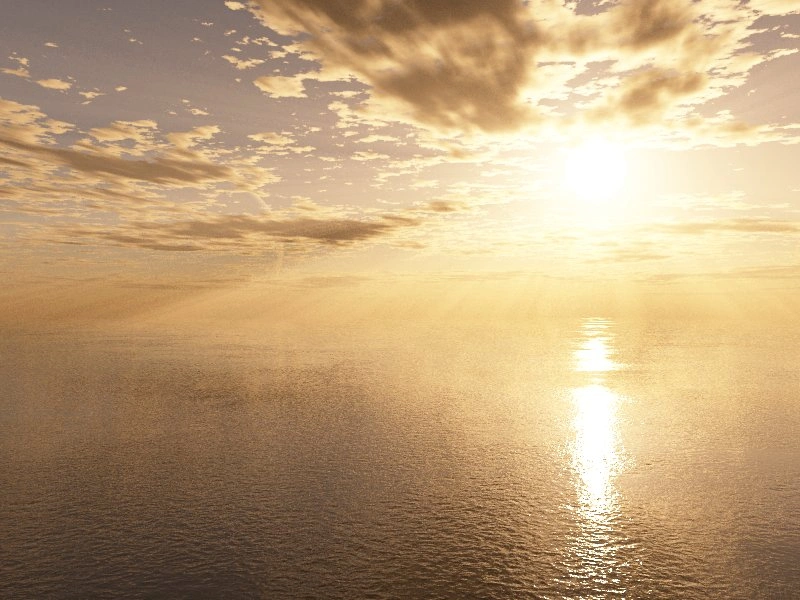
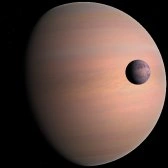
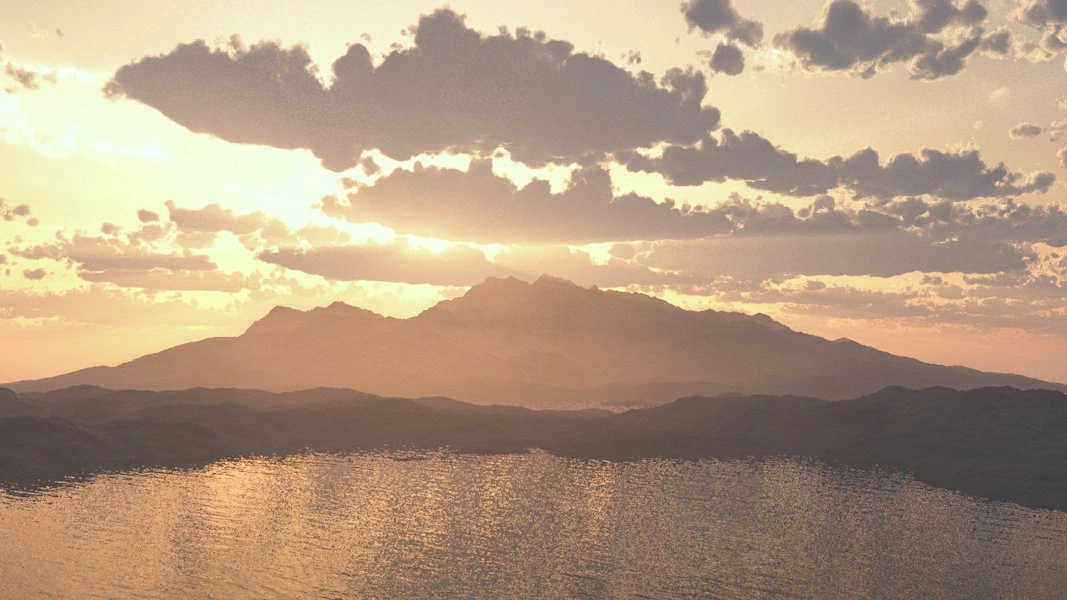
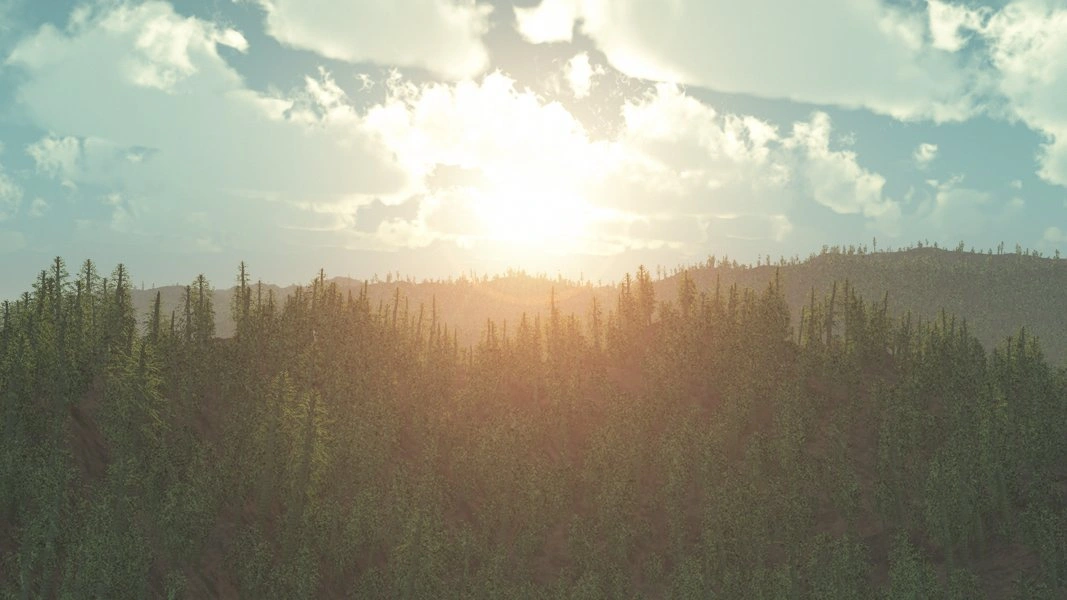
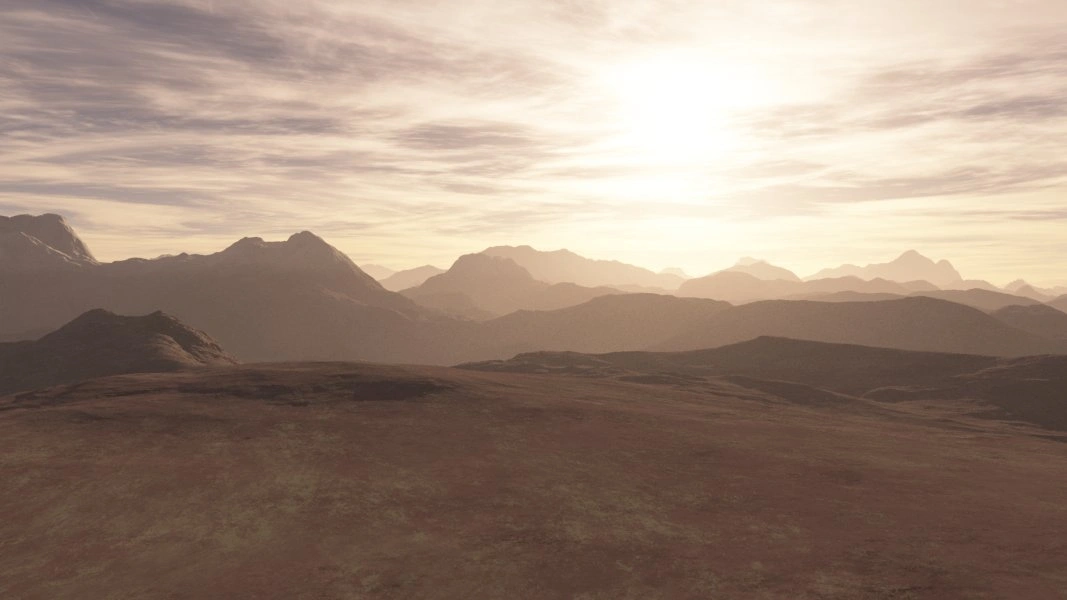
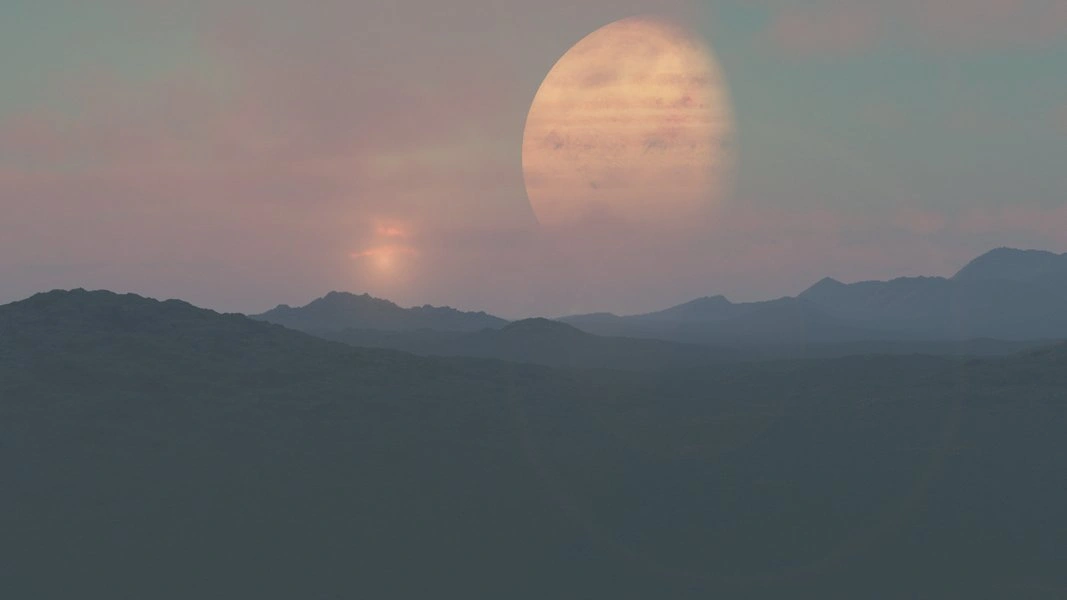
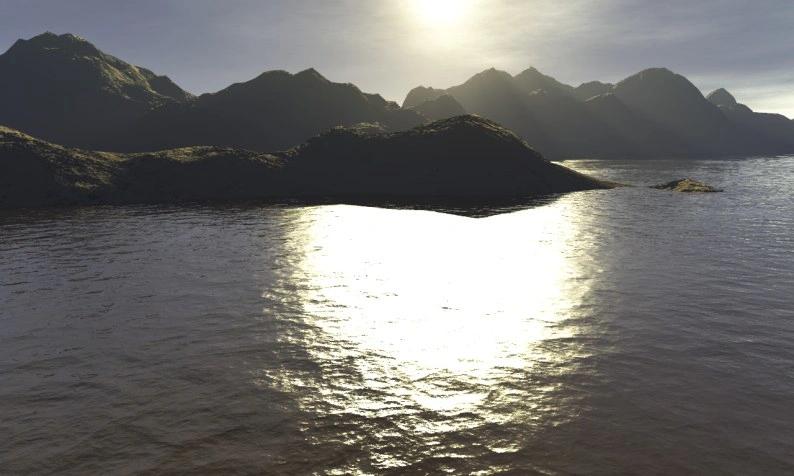
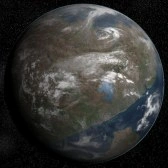
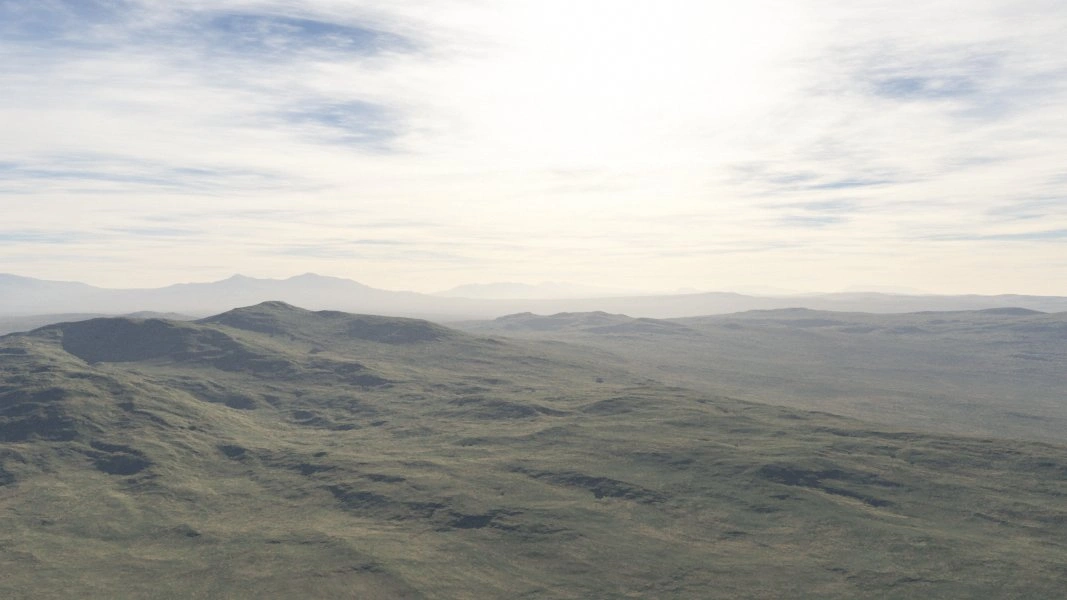
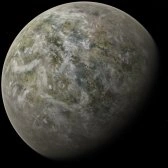
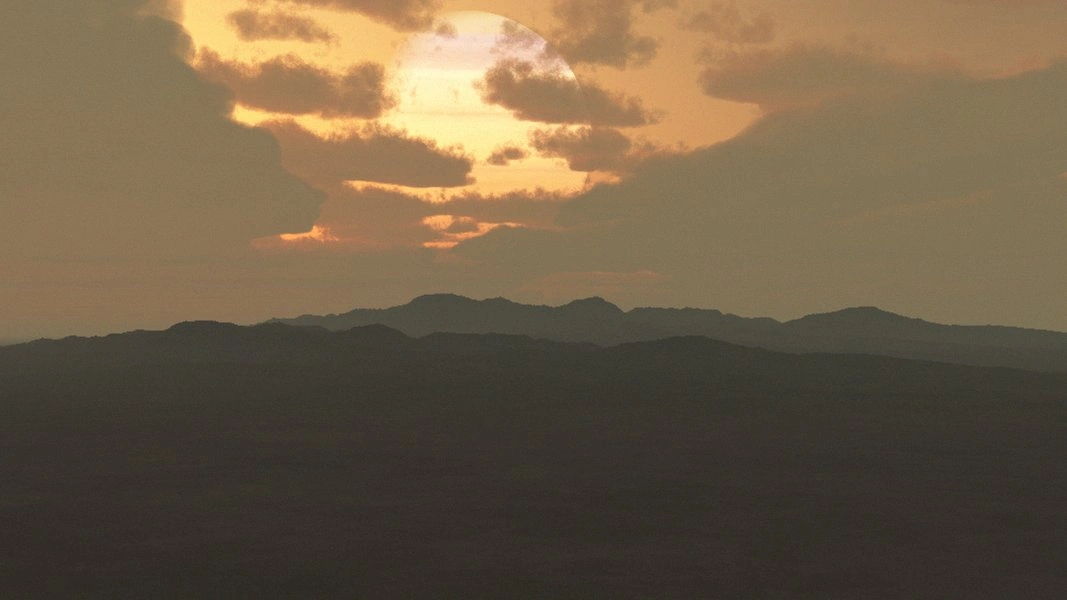
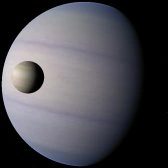
2 Centauri surface view2 Centauri orbital view

2 Centauri

Water WorldFrontier Colony

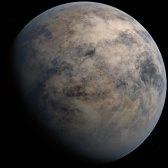
The 2 Centauri System consists of a terrestrial world and a gas giant, the system’s planets orbit the red giant sun. The system is home to a thick, outer comet belt, the belt contains numerous mining colonies where the majority of the system’s population reside. The gas giant is orbited by a large, water covered moon.

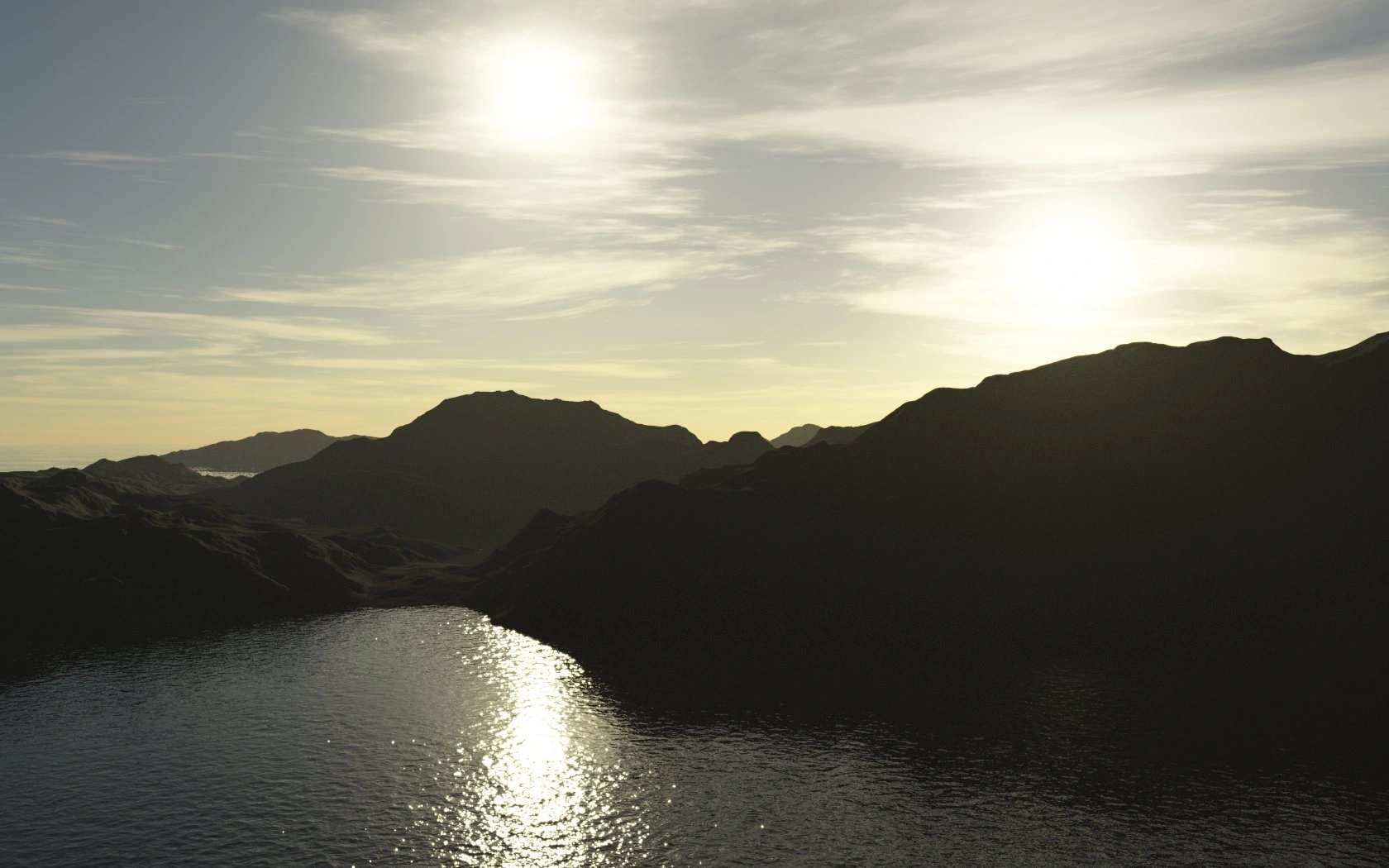
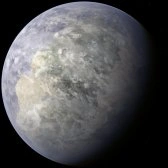
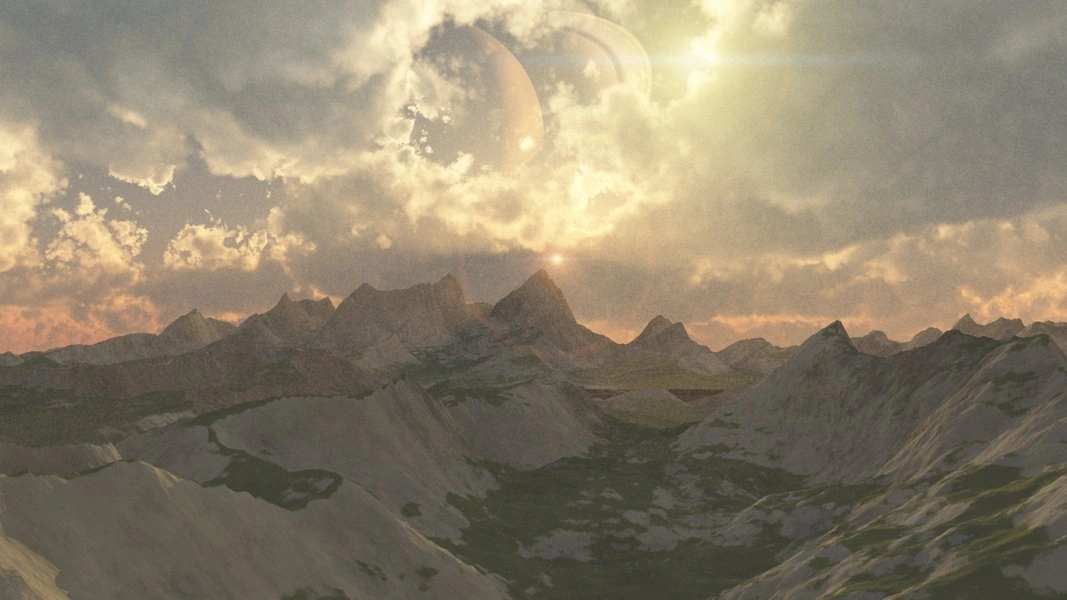
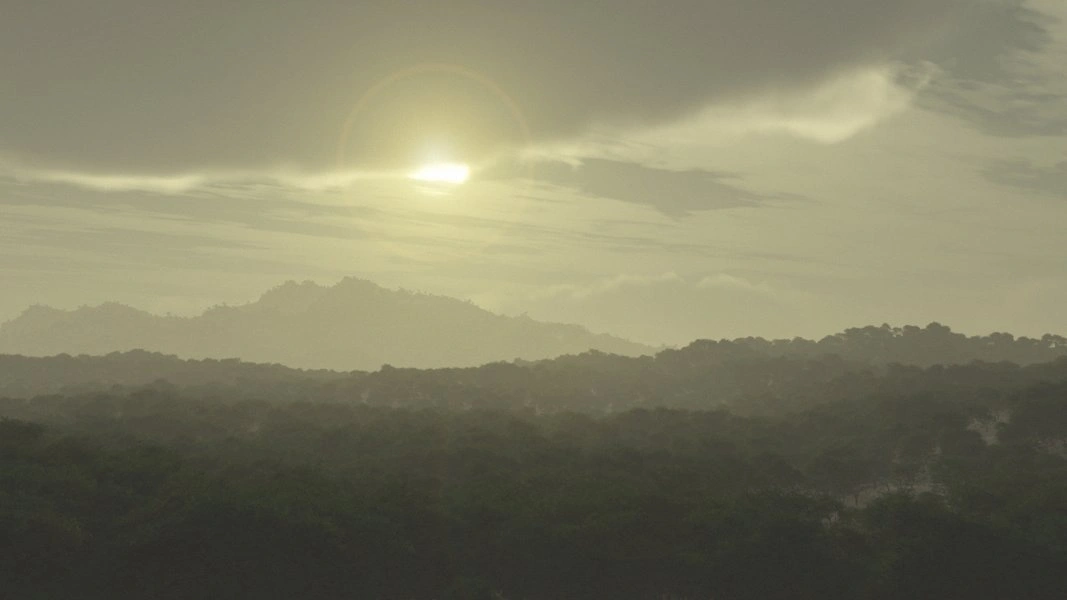
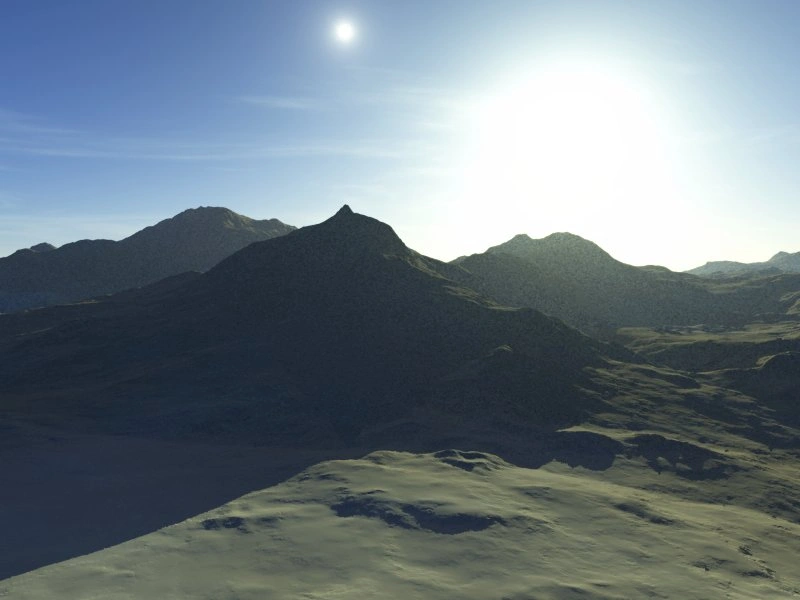
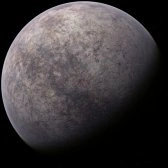
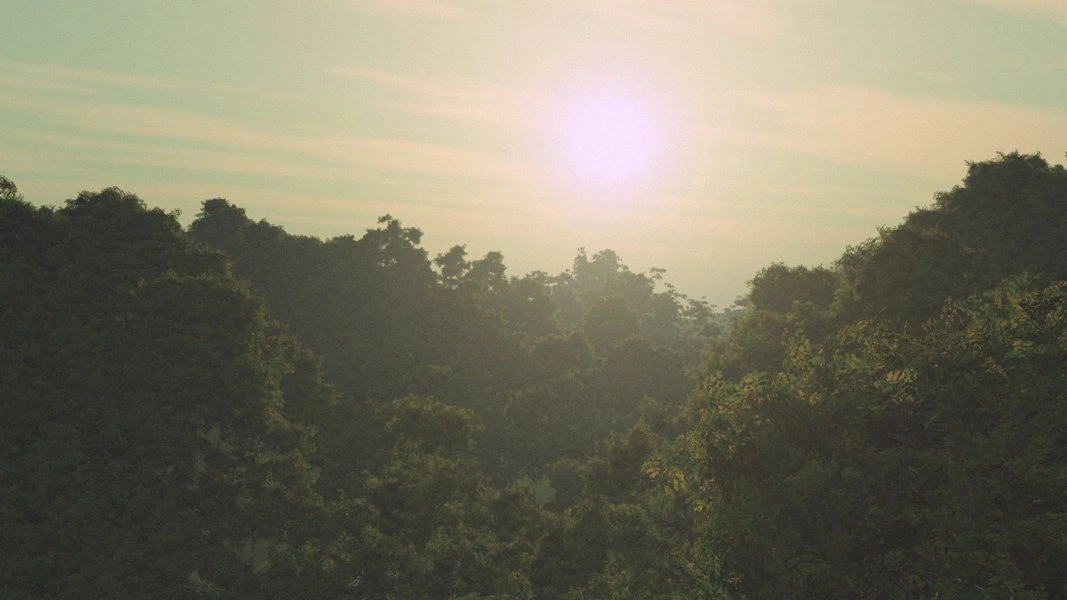
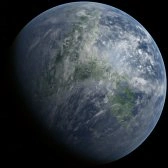
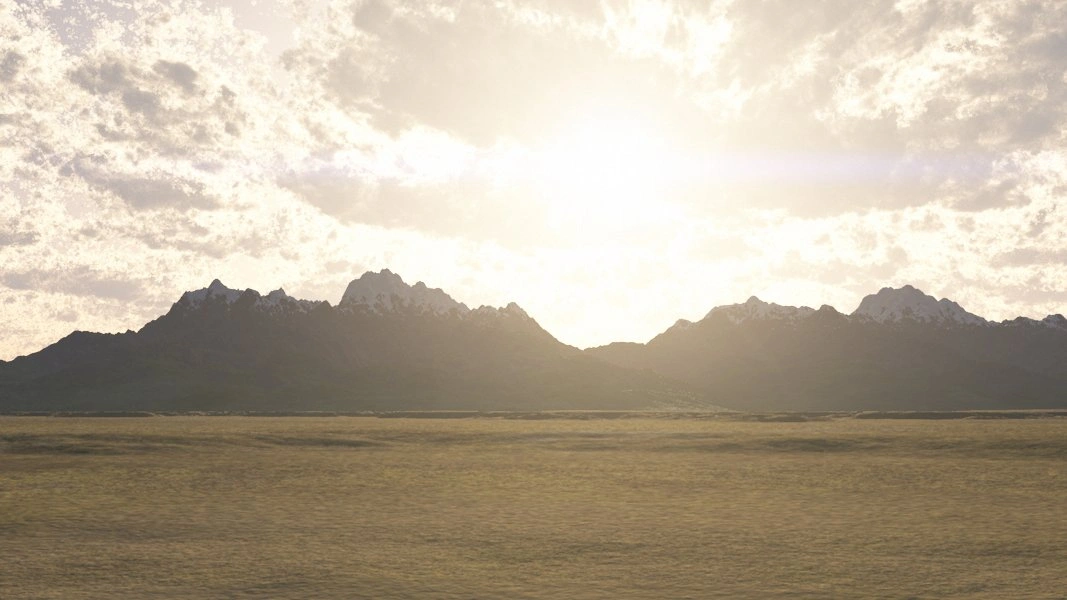
12 Persei surface view12 Persei orbital view

12 Persei

Binary System

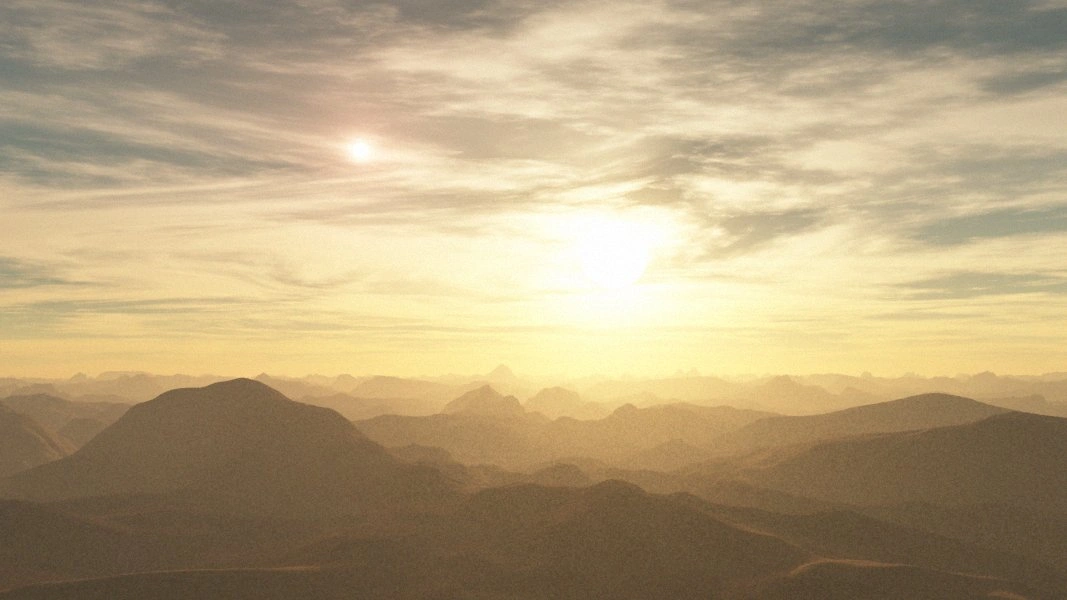
The primary planet of the 12 Persei System is a world known for radical, sometimes cataclysmic, weather changes. The location of the 2 suns in the binary system, can have extreme effects on the global weather patterns and climates of the planet. Colonists on 12 Persei's primary planet have been forced to adapt to the primary planet’s ever changing weather

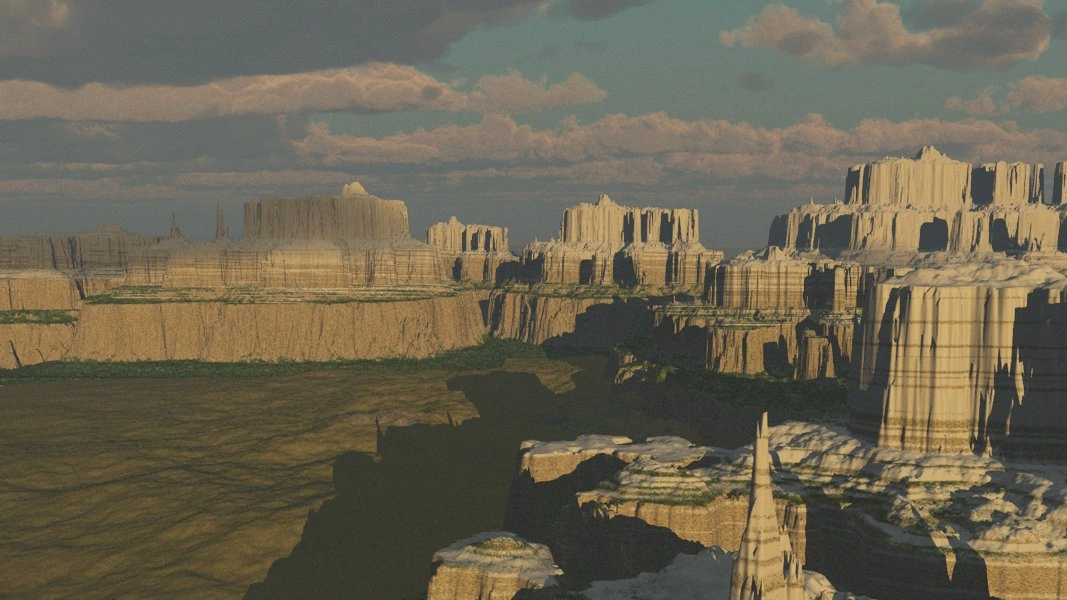
13 Orionis surface view13 Orionis orbital view

13 Orionis

Archive Entry

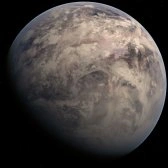
13 Orionis is a multiple planet system orbiting a subgiant star, which is quickly growing into a giant. The worlds have changed greatly with the growing sun, the inner planets have been burned to a lifeless crisp, while the atmospheres of the outer worlds have been heavily stressed.

16 Cygni surface view16 Cygni orbital view

16 Cygni

Binary System

16 Cygni's planetary system orbits the binary system's slightly smaller star, 16 Cygni B. The system consists of a large gas giant which contains over two times Jupiter's mass, which is orbited by a Martian sized moon. 16 Cygni B's gas giant has an eccentric orbit, which give the planet radical seasonal swings

18 Ceti surface view18 Ceti orbital view

18 Ceti

Frontier Colony

The sun-like star 18 Ceti is orbited by multiple planets, the system sits just over 100 light years from Sol, at the outer edges of the Inner/Sol Region. The system connects the Inner/Sol Region with the Cetus and Mirach Regions. The system has been established as a popular trade location.

18 Scorpii surface view18 Scorpii orbital view

18 Scorpii

Archive Entry

1 8 Scorpii was the location of the one of the original Terran Colonies beyond Earth. 18 Scorpii's primary planet named Serket, is a warm, humid, tropical world. The original colonists who travelled to 18 Scorpii found establishing a permanent settlement difficult. Serket was plagued by high gravity, relentless heat, and never-ending swarms of insects.

31 Orionis surface view31 Orionis orbital view

31 Orionis

Ice World

31 Orionis is a system orbiting a red giant. The system’s primary planet is a desert world that may have once been covered in ice, early in the system’s history. The planet’s surface is now scorched under the large sun. The system was initially used science outpost, though a small population has grown on the primary planet

47 Ursae Majoris surface view47 Ursae Majoris orbital view

47 Ursae Majoris

Ice World

47 Ursae Majoris is home to a gas giant orbited by a group of moons, the lagest which contains a small population. 47 Ursae Majoris B's largest moon was first visited by a group of scientists who determined it was too cold, small, and insignificant to house any large-scale colonies or population.
51 Pegasi surface view51 Pegasi orbital view

51 Pegasi

Habitable World

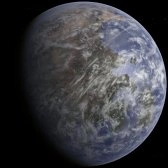
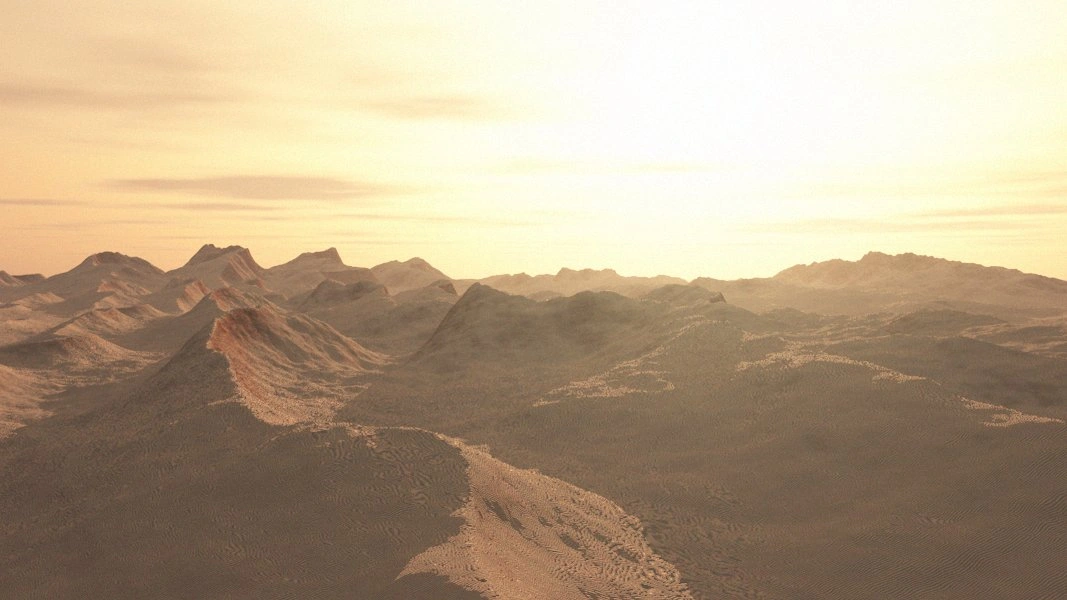
The most famous thing about the 51 Pegasi system is the planet Bellerophon, it was the first exoplanet ever discovered. Bellerophon is a standard hot Jupiter orbiting close to the parent star. The primary planet is Arionus orbiting just outside the inner asteroid belt that formed after Bellerophon migrated inward. Arionus is an earthlike world with a large population.
52 Orionis surface view52 Orionis orbital view

52 Orionis

Binary SystemFrontier Colony

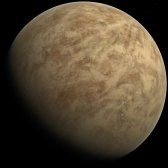
A binary system in the Betelgeuse Region consisting of two white/blue A class stars separated by an average distance of 100 AU. Containing vast amounts of valuable elements used building interstellar ships, the system is home to a large orbital ship building facility built by the Orion Alliance.

58 Ursae Majoris surface view58 Ursae Majoris orbital view

58 Ursae Majoris

Archive Entry

The primary planet of the 58 Ursae Majoris System is a world covered in sprawling deserts and savanna's. The grassy savanna act as an oasis for life, breaking up the rocky, lifeless deserts that cover large sections on the surface. Harsh winds, sand storms, and intense sun wallop the desert regions.

59 Virginis surface view59 Virginis orbital view

59 Virginis

Archive Entry

59 Virginis was one of the outermost, original, Terran Colonies. The isolated colonists on the primary planet suffered vast loses during the early years of the settlement. Despite this, Terran based companies continued the send colony ships to the planet, looking to establish a population and take advantage of the planet’s extensive natural resources

70 Virginis surface view70 Virginis orbital view

70 Virginis

Water WorldFrontier Colony

The 70 Virginis System contains a gas giant orbited by a small moon. The moon is the location a modest research station built under the surface. The moon is a bit too warm for liquid water and human habitation on the surface, meaning any settlements have to be in orbit or underground.

72 Herculis surface view72 Herculis orbital view

72 Herculis

Habitable WorldIce World

The primary planet of the 72 Herculis System is a habitable, terrestrial world. Solar reflectors were used to warm up the planet, which had ice that would reach as far as the tropics. The planet is currently covered in 80% water and enjoys a warmer climate thanks to the terraforming.

89 Virginis surface view89 Virginis orbital view

89 Virginis

Habitable WorldWater World

89 Virginis's primary planet is a partially habitable, terrestrial world. The planet is covered in a desolate, sandy desert, scorched by the giant sun. The planet's last remaining life forms huddle in groups around underground lakes, the last remnants of liquid water on the parched, dusty, world.

107 Piscium surface view107 Piscium orbital view

107 Piscium

Habitable World

107 Piscium was one of the early Terran colonies, as the system is located just 24 light years from Sol. Colonists from Earth settled the system, though the less than ideal environmental conditions on the primary planet slowed its growth. 107 Piscium's primary planet is a habitable, terrestrial world.