Extrasolar Database · Alphabetical Registry

N Systems

Browse all cataloged Darknovus star systems beginning with N, from early colonies and frontier worlds to industrial hubs, regional centers, resort planets, and strange worlds along the edges of known space.

25 Archive Entries Letter N Systems Index

Alphabetical archive: use this page as a fast visual directory for every N-system currently listed in the extrasolar database.

Cataloged N Systems

25 Systems
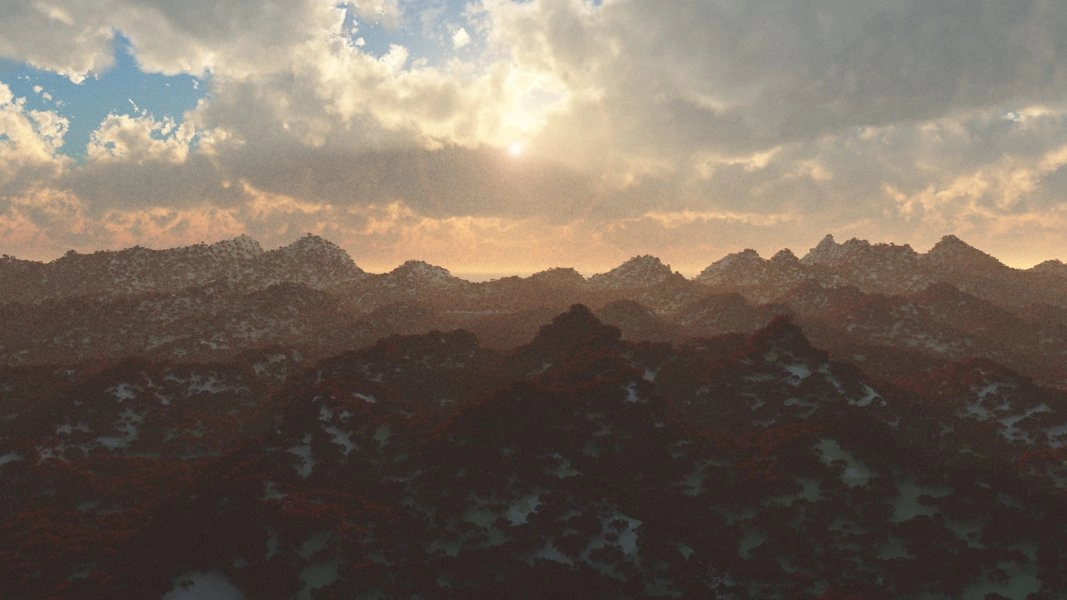
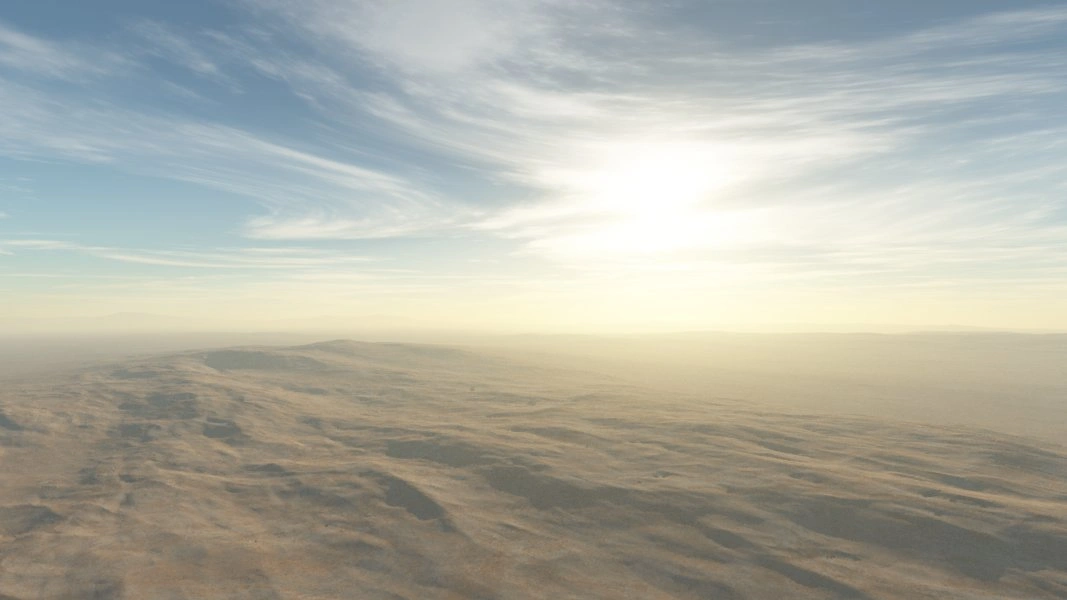
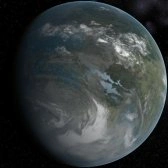
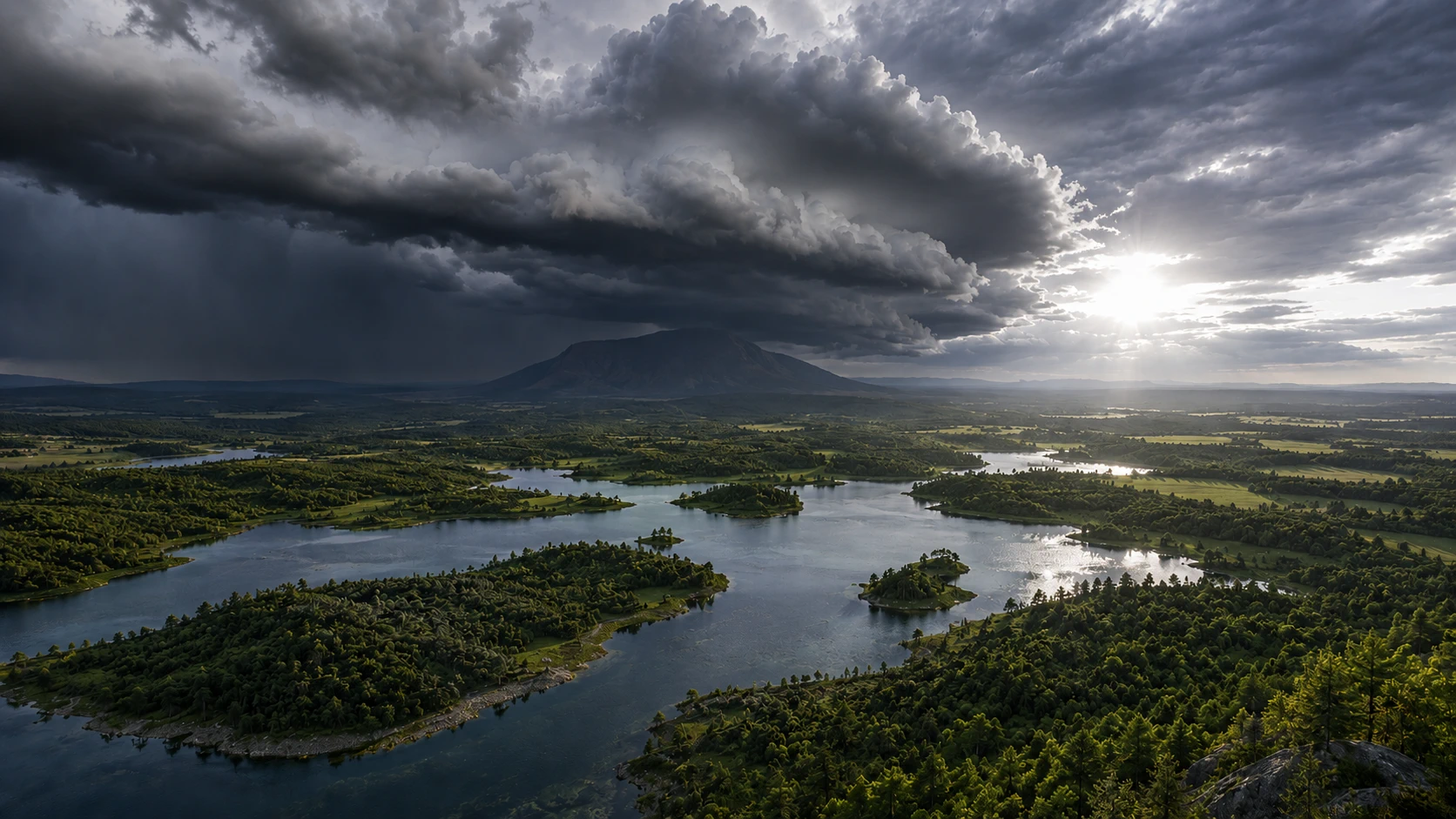
Napier surface viewNapier orbital view

Napier

Archive Entry

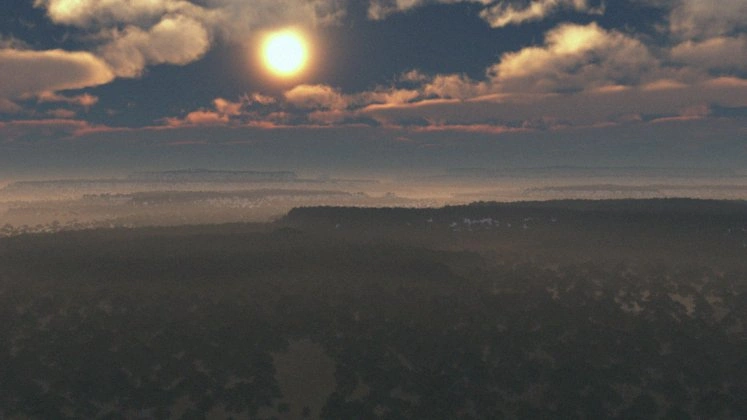
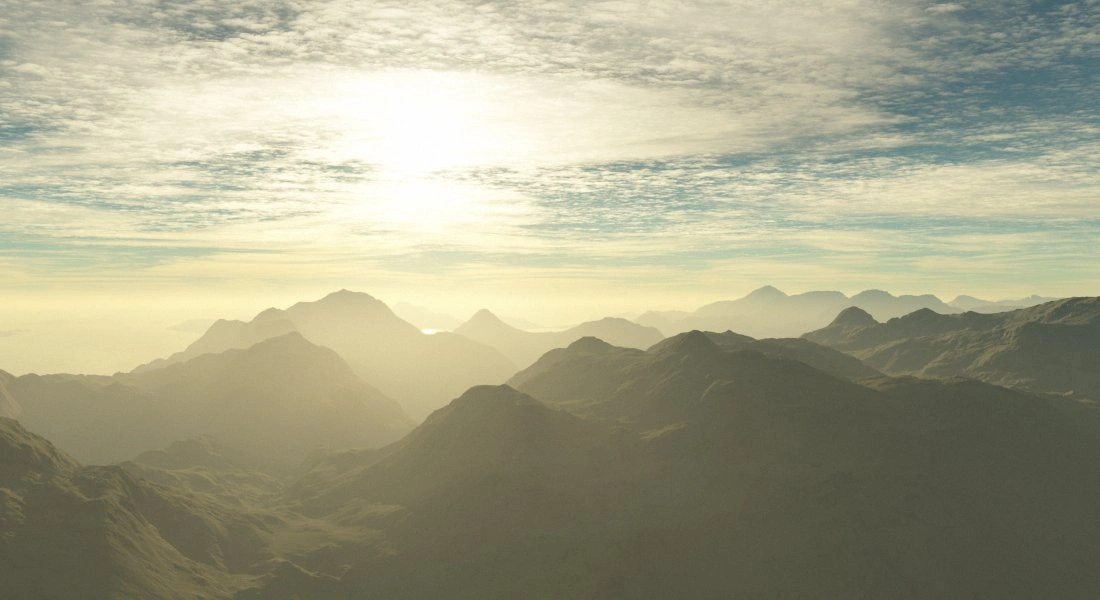
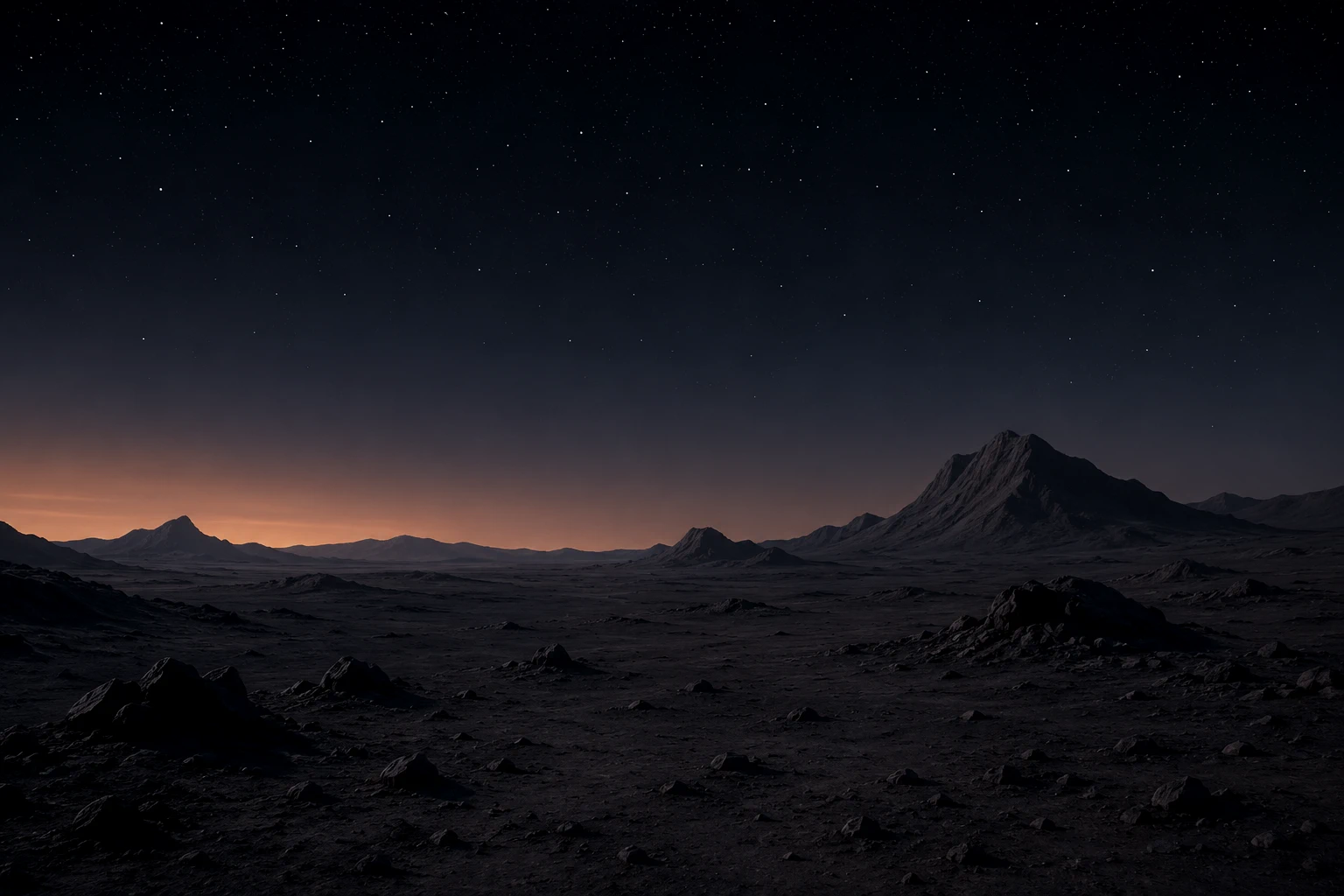
N apier's primary planet is a warm, tropical world, covered in swamps and jungles. The planet has grown a significant population into the billions, with the majority of the population situated in large cities. The remaining undeveloped areas are in sprawling nature reserves, along with untouched jungles.
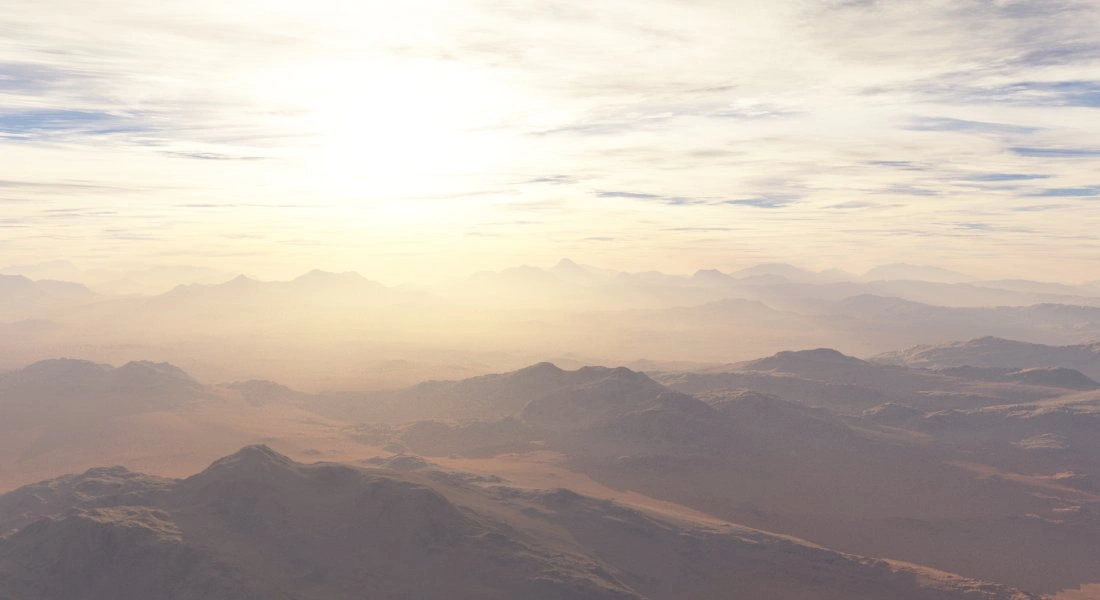
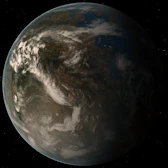
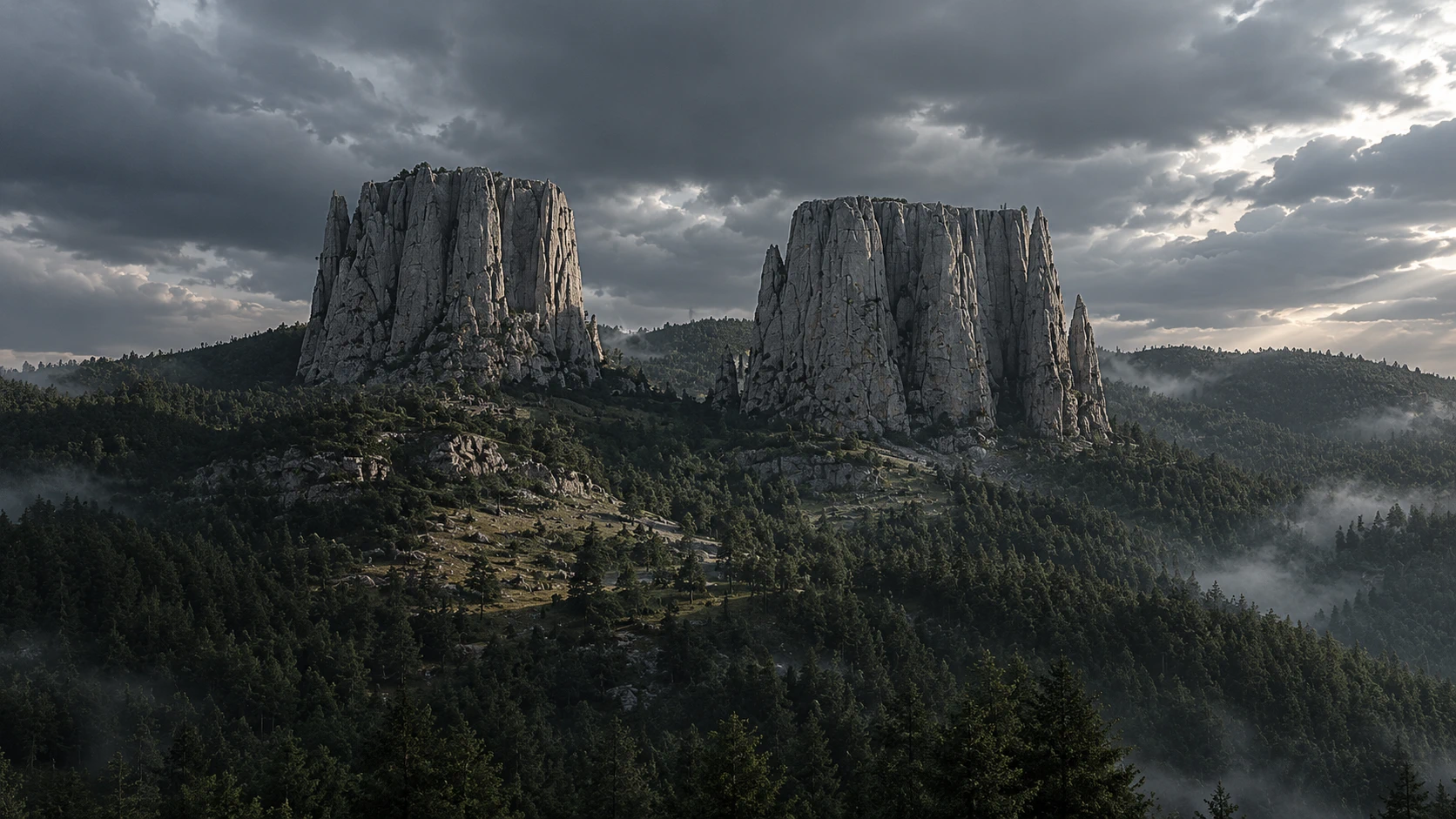
Narahope surface viewNarahope orbital view

Narahope

Ice World

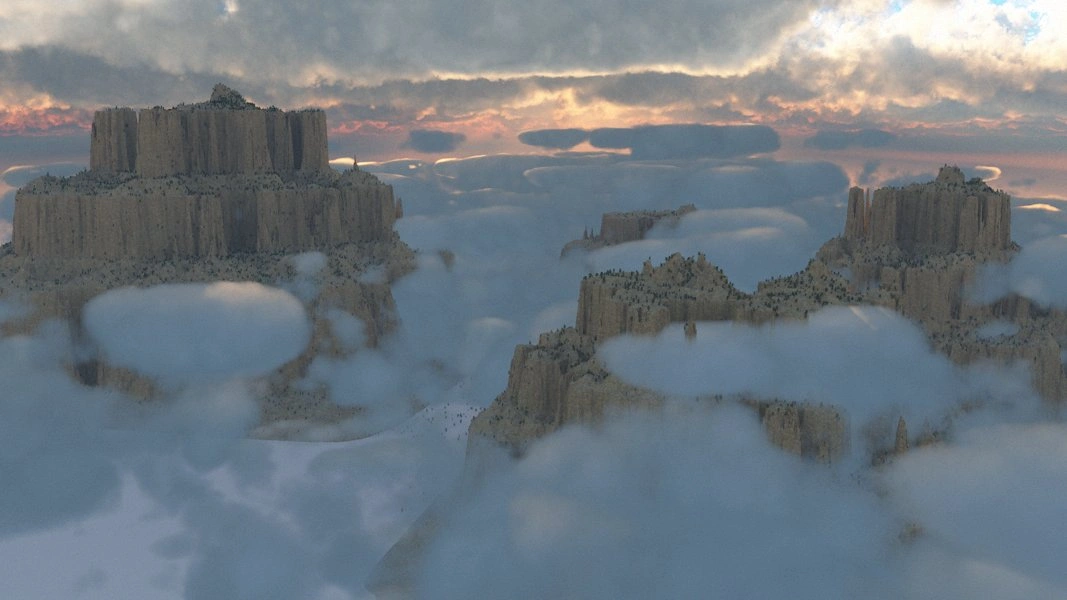
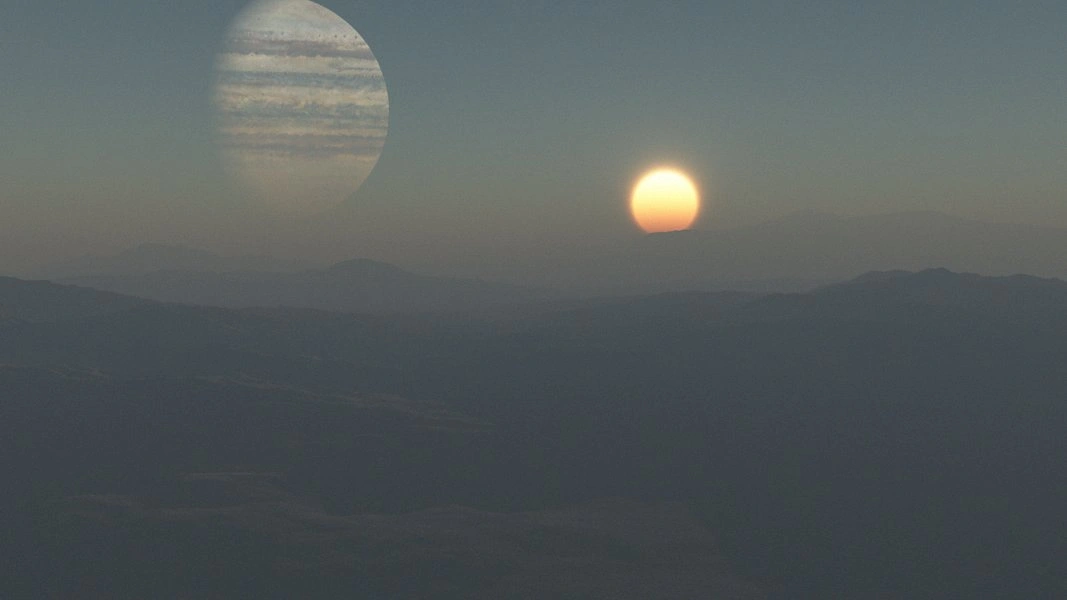
The Narahope System is an important system that is often considered on the fringes of the Hercules Region. The primary planet is a large, Jupiter sized gas giant orbited by an icy moon. The gas giant has deep reserves of anti-matter and precious gasses deep below the thick atmosphere.

Nasira surface viewNasira orbital view

Nasira

Archive Entry

T he Nasira System sits in an isolated part of the Betelgeuse Region. This isolation helped protect the system's primary planet from the Orion Alliance influence that spread throughout the region. The planet grew into one of the regions powers as transplants left other worlds, looking to escape the Orion Alliance.

Nena surface viewNena orbital view

Nena

Resort WorldWater World

T he Nena System's primary planet was settled with dreams of turning the planet into a resort world. The planets oceans and beaches seemed to be a draw for interstellar tourists looking for a vacation. Though years of civil unrest forced the plans to never be fulfilled, as the planet was rarely at peace.

Neolotus surface viewNeolotus orbital view

Neolotus

Habitable World

T he primary planet of the Neolotus system needed some terraforming to become fully habitable. Genetically modified bacteria was spread across the soil over the planet's surface. The bacteria helped convert the carbon dioxide atmosphere into oxygen, increasing the oxygen levels across the entire surface.

Nequoya surface viewNequoya orbital view

Nequoya

Habitable World

T he Nequoyah system is a single planet system whose primary planet is orbited by a large moon. The primary planet is a large terrestrial planet known as a Super Earth. The planet's moon is a tropical world that is partially habitable.

Nethercoat surface viewNethercoat orbital view

Nethercoat

Habitable WorldFrontier Colony

T he Nethercoat System was settled by colonists from Anserian Prime. The system's primary planet is a habitable world rich in natural resources. Colonists came to this world looking to extract and export the planet's resources back to Anserian Prime.
Nevermore surface viewNevermore orbital view

Nevermore

Ice World

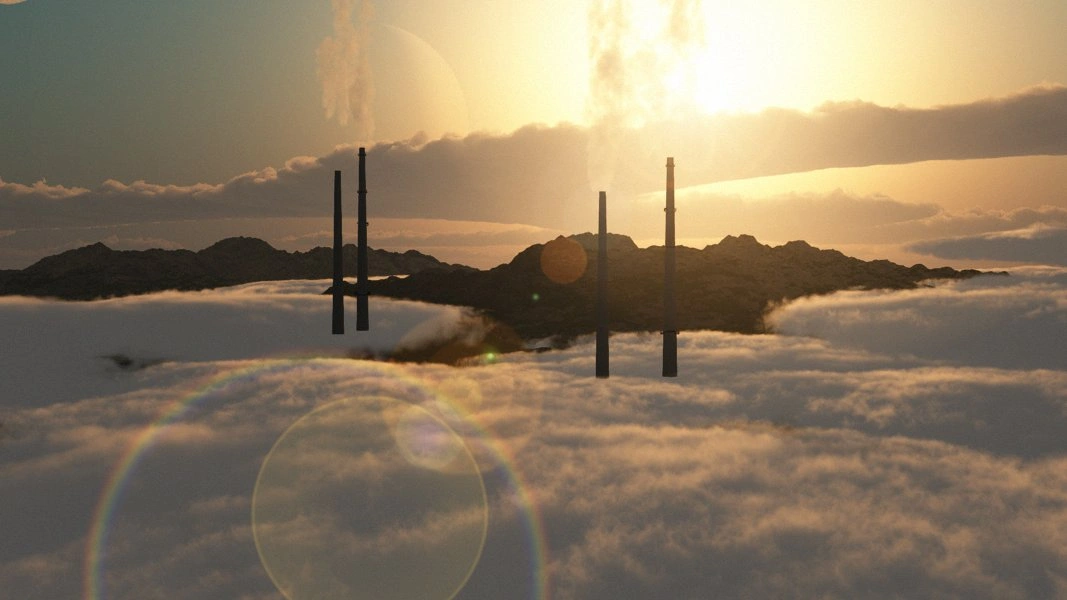
T he Nevermore System was originally colonized by the followers of a cult like religion, which was banned from other worlds in Canopus Region. Though as the population grew, the number of followers started to dwindle. Persecution against the planet's early inhabitants became rampant, this caused many to escape to other worlds. The system's primary planet is a cold world that is slowly coming out of an ice age.
New Azeria surface viewNew Azeria orbital view

New Azeria

Frontier Colony

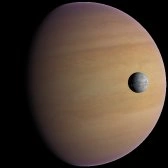
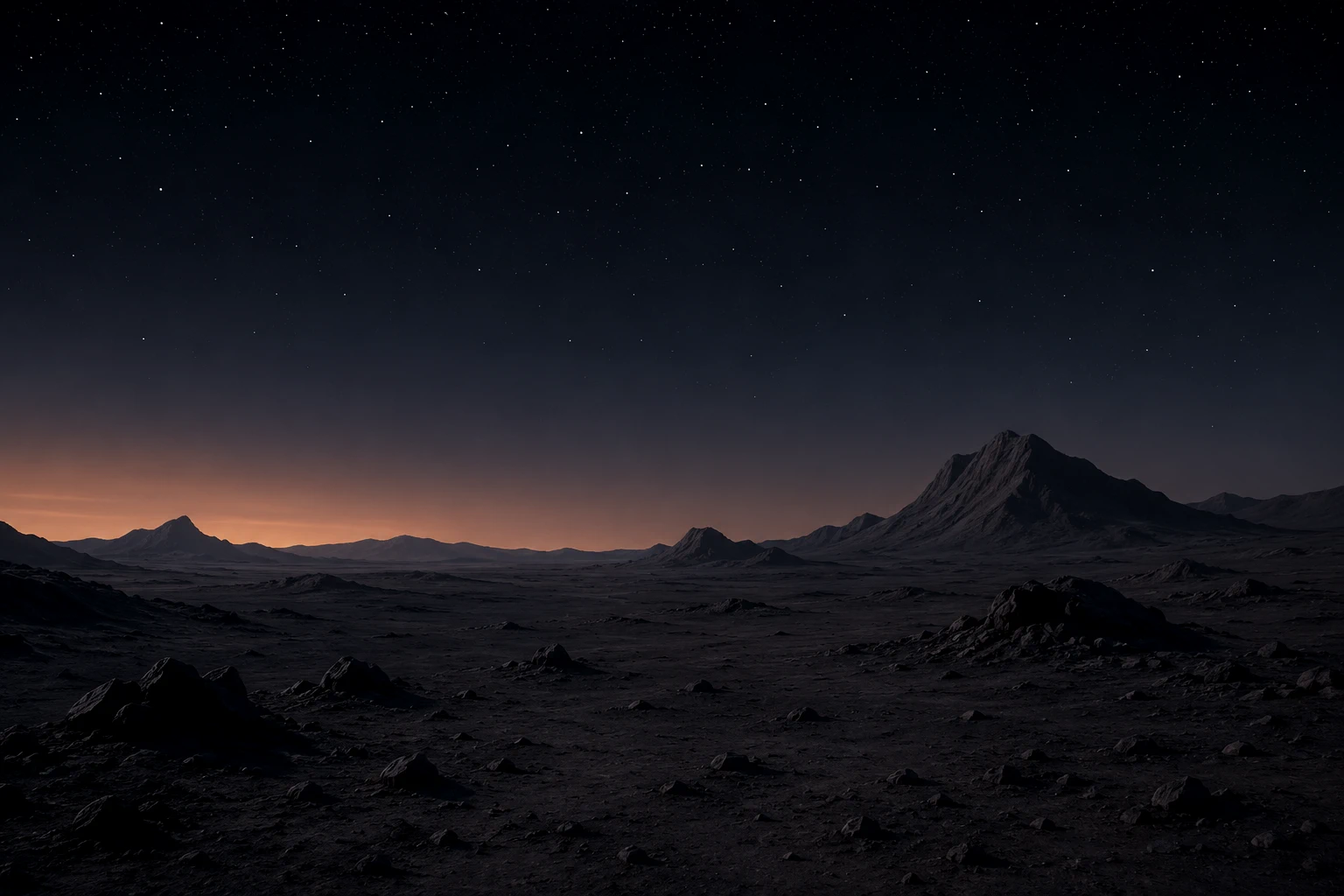
N ew Azeria is one of the most populated system's in the Canopus Region. Along with its large population, New Azeria's primary planet has developed into one of the economic and trade centers of the Canopus Region. The primary planet was settled by groups of religious missionaries

New Dawn surface viewNew Dawn orbital view

New Dawn

Archive Entry

Peace has always been a dream on the planet New Dawn, numerous wars over the last century have taken a toll on the planet's once thriving population. Divisions formed across the planets multiple cultures that are separated by the planet's mountainous landscape. The tensions led to localized wars that quickly escalated into serious conflicts.

New Janus surface viewNew Janus orbital view

New Janus

Frontier Colony

has seen steady growth ever since the system's primary planet was settled. Though the population centers are mostly centralized in the Sargas Region, New Janus has grown into the billions while sitting in a sparsely populated, isolated part of the region.

New Taurus surface viewNew Taurus orbital view

New Taurus

Frontier Colony

N ew Taurus was first settled by various groups on colonists from nearby worlds. Many questioned whether or not the planet could support a large population , as parts of the planet are uncomfortably warm for human settlers. The warm world has a "ring of fire" located around the equator and becomes more temperate moving towards the poles

New Troy surface viewNew Troy orbital view

New Troy

Archive Entry

The primary planet of the New Troy System is a world in which sprawling swamps and savannahs cover the cooler, polar regions, they quickly transition into a vast desert over the rest of the planet. A "ring of fire" surrounds the equator, a immensely hot region too warm for human habitation.

New Zion surface viewNew Zion orbital view

New Zion

Archive Entry

New Zion is known for the popular Zion Mountains, a massive mountains range cutting across the middle of the main continent on the primary planet. The young mountains are large averaging 6000 meters (20,000 feet) in height, and are rich in minerals.

Nigel surface viewNigel orbital view

Nigel

Habitable WorldIce World

Developing the icy primary planet of the Nigel System, was a project of a group of wealthy business owners from the Polaris Region. They planned to mine the mineral rich world and eventually terraform it to make it at least partially habitable. The plan ultimately failed and nearly bankrupt the group.

Noella surface viewNoella orbital view

Noella

Frontier Colony

T he primary planet of the Noella System is a world blessed with large amounts of arable land, which has attracted colonists throughout it's history. Covered in around 85% water, nearly the planet's entire land mass is located in large continent, with the remainder situated in small island chains.

Noeth surface viewNoeth orbital view

Noeth

Binary SystemFrontier Colony

N oeth is a binary system consisting of two G-class stars separated by an average distance of 20 AUs. The system’s planets orbit the slightly larger, G1V star. The system was originally settled by various groups of colonists from throughout the Capricorn region.

Noi surface viewNoi orbital view

Noi

Habitable World

T he primary planet of the the Noi System is a habitable world, whose land areas are covered in grasslands and prairies. The planet was originally established as an agriculture world where hoards of grazing animals were raised. An authoritarian government seized control of the planet, isolating the system from the rest of the region.

Noria surface viewNoria orbital view

Noria

Industrial Hub

Travelers once headed to the Capricorn Region often passed through the Noria System. When the wormhole was built at Capricora everything changed, travellers no longer visited Noria, choosing the quicker wormhole route instead. Despite its new isolation the planet continued to grow, the planet's economy shifted to industry becoming a large producer. Large industrial cities span the deep valleys of the mountainous planet.

Northsun surface viewNorthsun orbital view

Northsun

Industrial Hub

T he sprawling, desert, primary world of the Northsun System was looked at as a terraforming project by the nearby worlds in the Segin Region. A number of atmosphere factories were built on the surface with the idea of adding oxygen into the atmosphere. Though the plans were never finished due to rising costs, the factories have since sat abandoned.

Nortique surface viewNortique orbital view

Nortique

Archive Entry

Thick jungles spread across this warm humid world. Large evergreen trees resembling Sequoias can grow over 300 meters (1000 feet) tall in the planet's low gravity. These massive trees make up the planet's jungles.